

Holiday Dental Emergencies: What to Do and When to Call Your Dentist
What Counts as a Dental Emergency During the Holidays?
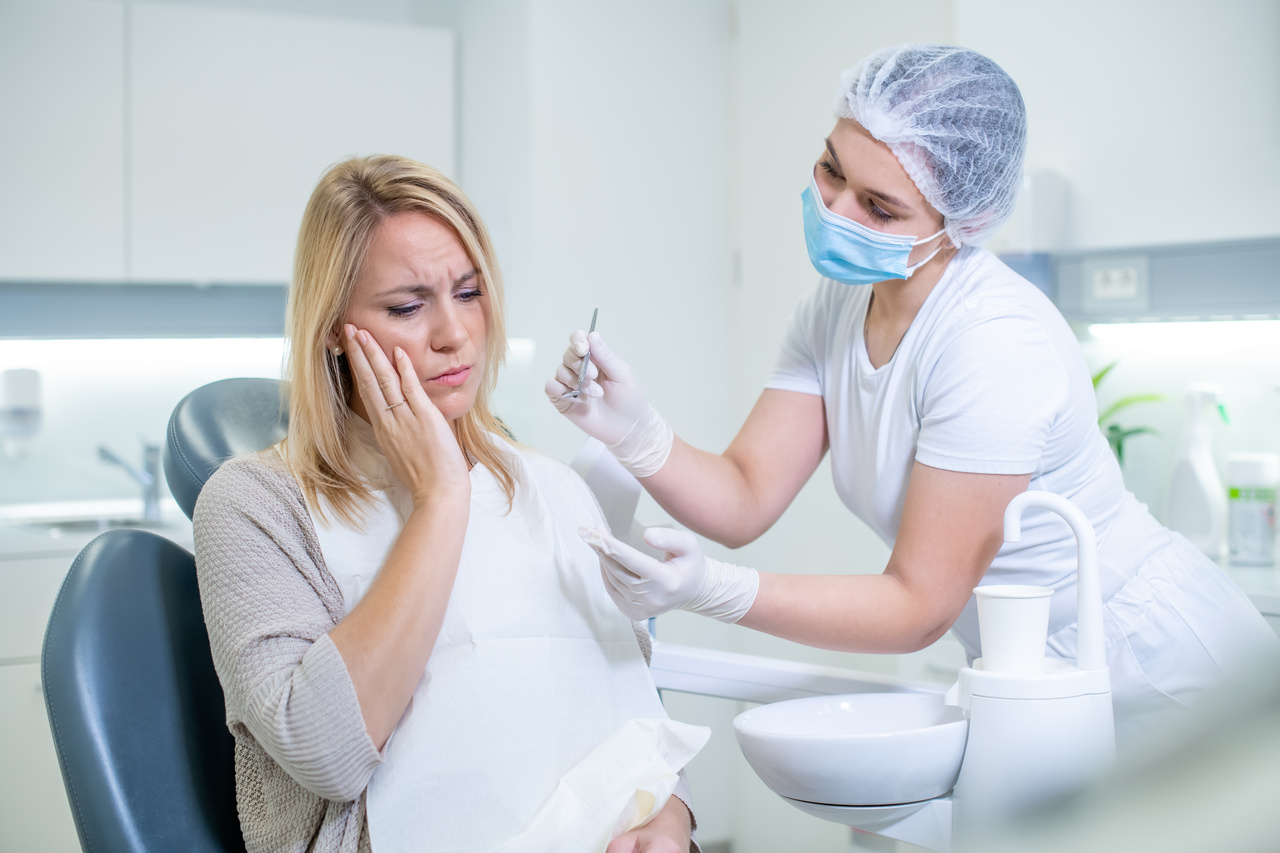
A dental emergency is any situation involving severe pain, facial swelling, uncontrolled bleeding, a knocked-out or cracked tooth, or a suspected infection that should not wait. These problems tend to show up at the worst times, and the holiday season, with its hard candy, crunchy treats, travel, and packed schedules, gives them plenty of chances to happen.
At Lighthouse Dental, we welcome same-day and walk-in emergency visits during office hours at our Hazel Dell office in Vancouver, WA. This guide walks you through what to do in the most common situations, when to head to the emergency room instead, and how to lower your chances of ending up in a dental emergency in the first place.
Why Do Dental Emergencies Happen So Often Around the Holidays?
Several holiday habits can put teeth at risk, including:
- Hard candies, candy canes, nuts, and brittle that can crack a tooth or loosen a restoration
- Sticky, chewy sweets that can pull out fillings or crowns
- Chewing ice in festive drinks
- Using teeth to open packages, bottles, or ribbon
- Travel, winter activities, and kids at home on break, which mean more falls and sports injuries
- Putting off a nagging toothache or a known problem until after the holidays
The good news is that most dental emergencies are easier to treat when you act quickly, and many can be avoided with a little planning.
How Do You Know If It Is a Real Dental Emergency?
Call a Dentist Right Away If You Have:
- A knocked-out permanent tooth
- Severe or throbbing tooth pain
- Swelling in your gums, face, or jaw
- A pimple-like bump on your gums, which can signal an infection
- A cracked or broken tooth that hurts
- Bleeding from your mouth that does not stop
Call During Office Hours, but It Can Usually Wait a Day or Two, If You Have:
- A small chip that does not hurt
- A lost filling or crown without significant pain
- Mild tooth sensitivity
- Food stuck between your teeth that floss does not remove
If you are unsure which category you fall into, call us. Our team can help you decide how quickly you need to be seen.
What Should You Do in Common Dental Emergencies?
What Should You Do If a Tooth Is Knocked Out?
A knocked-out permanent tooth is one of the most time-sensitive dental emergencies. The sooner it is cared for, the better its chance of being saved.
- Stay calm and find the tooth. Pick it up by the crown (the white part you chew with), not the root.
- Rinse gently only if needed. If it is dirty, rinse it for a few seconds. Do not scrub it or remove any attached tissue.
- Try to place it back in the socket. If you can, gently slide an adult tooth back into place facing the right way, and bite down softly on clean gauze or a cloth. Do not force it.
- Keep it moist if you cannot replace it. Store it in milk, in an ADA-approved tooth preservation product, or inside your cheek (for adults and older children only, to avoid swallowing it). Do not store it in tap water, let it dry out, or wrap it in tissue.
- Get to a dentist as quickly as possible. Ideally within 30 to 60 minutes, and bring the tooth with you.
Baby teeth should not be put back in the socket, because this can damage the developing permanent tooth. If a child loses a baby tooth in an accident, call us so we can check for other injuries.
What Should You Do for a Cracked or Broken Tooth?
Rinse your mouth with warm water, save any pieces you can find, and apply a cold compress to your cheek to reduce swelling. If the edge is sharp, cover it with dental wax or a piece of sugar-free gum. Avoid chewing on that side, and call us promptly. Even if the break does not hurt, a cracked tooth can get worse over time, and early treatment with a dental crown or dental filling can help protect it.
What Should You Do for a Severe Toothache?
Rinse with warm salt water, gently floss to remove any trapped food, and use a cold compress on the outside of your cheek. You can take an over-the-counter pain reliever as directed on the label, but do not place aspirin directly against your gums, since it can burn the tissue. Call us as soon as possible. Persistent tooth pain can signal a deep cavity or infection that may need a root canal or, in some cases, a tooth extraction.
What Should You Do If You Lose a Filling or Crown?
Keep the crown or filling in a safe place and bring it to your appointment. A temporary dental cement from the pharmacy can hold a crown in place until you are seen, but do not use household glue. Avoid chewing on that side, keep the area clean, and call us to schedule a repair.
What Should You Do If You Have Swelling or a Possible Abscess?
Swelling in your gums, face, or jaw can be a sign of an infection, which can spread if it is not treated. Rinse gently with warm salt water and call us right away. If the swelling spreads toward your neck or eye, you develop a fever, or you have trouble breathing or swallowing, go to the nearest emergency room.
What Should You Do for a Cut or Bite to Your Lip, Cheek, or Tongue?
Rinse gently with water, apply firm pressure with clean gauze, and hold a cold compress against the area to reduce swelling. If bleeding does not slow after about 15 minutes of firm pressure, seek emergency care.
When Should You Go to the Emergency Room Instead of the Dentist?
Head to the emergency room first if you experience any of the following:
- A head injury, loss of consciousness, dizziness, confusion, or repeated vomiting
- Bleeding that will not stop
- Swelling that makes it hard to breathe or swallow
- A jaw that appears broken or will not close properly
- Deep cuts to your lips, tongue, or face
- Coughing or trouble breathing after an injury that may have involved an inhaled tooth
If you go to the ER for a knocked-out tooth, bring the tooth with you, kept in milk, and call us so we can follow up with the dental care you need.
What Should You Do If Your Dentist’s Office Is Closed?
Our regular hours are Monday through Friday, and we are closed on Saturdays and Sundays. Holiday hours may differ, so please call ahead before heading in. If an emergency happens when we are closed, follow the first aid steps above to protect the tooth and manage your discomfort, go to the emergency room if your situation is severe, and call us first thing on the next business day so we can get you in as soon as possible.
How Can You Prevent Dental Emergencies This Holiday Season?
- Skip the hard stuff. Avoid biting candy canes, hard candy, unpopped popcorn kernels, and ice.
- Use the right tools. Open packages and bottles with scissors or a bottle opener, never your teeth.
- Protect your teeth during sports. If you or your kids play winter or holiday sports, a custom sports guard can help prevent chipped and knocked-out teeth.
- Do not put off known problems. A small crack, loose filling, or lingering sensitivity is much easier to treat now than in the middle of a holiday trip.
- Keep up with your checkups. Regular exams and dental cleanings help us catch problems early, before they turn into emergencies.
- Build a simple dental first aid kit. Include gauze, dental floss, a small container for a lost tooth, an ADA-approved tooth preservation product, and our office phone number.
How Can Lighthouse Dental Help in a Dental Emergency?
Our team can evaluate your situation, relieve your pain, and recommend the right treatment, whether that is a filling, crown, root canal, or extraction, and we will walk you through your options for replacing a tooth if it cannot be saved. For nervous patients, nitrous oxide and oral sedation can help you stay relaxed, and our gentle approach to children’s dentistry helps kids feel safe when something unexpected happens.
Clear communication matters most when you are in pain. Our team speaks English, Japanese, Spanish, and Russian, so you can describe what happened and understand your options in the language you are most comfortable with. We welcome patients from every background, including Japanese-speaking and Asian families throughout Hazel Dell and the greater Vancouver area. Dr. Erika Takanami, DDS and our team focus on calm, compassionate care for patients of all ages.
We work with most dental insurance plans. If you are planning ahead for the end of the year, our guide to dental insurance benefits can help you make the most of your coverage.
Frequently Asked Questions About Holiday Dental Emergencies
What is considered a dental emergency?
Severe tooth pain, a knocked-out permanent tooth, a cracked or broken tooth that hurts, swelling in the gums, face, or jaw, a suspected abscess, and bleeding that will not stop are all considered dental emergencies. If you are not sure, call us and we will help you decide.
How fast do I need to see a dentist for a knocked-out tooth?
As quickly as possible. The best chance of saving a permanent tooth comes when it is cared for within the first 30 to 60 minutes, and every minute counts. Keep the tooth moist and call us right away.
Can I put a knocked-out tooth back in myself?
For an adult tooth, you can try to gently place it back in the socket, facing the right way, without touching the root. If it will not go in easily, do not force it. Keep it in milk or an ADA-approved tooth preservation product and get to a dentist right away. Never try to replace a baby tooth.
Should I go to the ER or the dentist for a toothache?
For most toothaches, a dentist is the right place to go, since we can find and treat the cause. Go to the emergency room if you have swelling that affects your breathing or swallowing, a fever with facial swelling, a head injury, or bleeding that will not stop.
Do you offer same-day or walk-in emergency dental visits in Vancouver, WA?
Yes. We offer same-day and walk-in emergency visits during office hours at our Hazel Dell office. We recommend calling ahead so our team can be ready for you.
Does dental insurance cover emergency visits?
Coverage depends on your plan and the treatment you need. We work with most dental insurance plans, and our team can help you understand your benefits. Our guide to dental insurance benefits covers the basics.
Do you offer emergency dental care in Japanese, Spanish, or Russian?
Yes. Our team speaks English, Japanese, Spanish, and Russian, so you can explain your symptoms and review your treatment options in the language that feels most comfortable to you.
Call Lighthouse Dental for Emergency Dental Care in Vancouver, WA
If you have a dental emergency this holiday season, do not wait. Call us at 360-576-3570 so our team can get you the care you need as quickly as possible. You can also visit our contact page for more ways to reach us. We proudly serve patients in Hazel Dell, Minnehaha, Salmon Creek, Walnut Grove, Felida, and throughout Vancouver, WA.