

Sedation Dentistry for Dental Anxiety: What to Expect With Oral Sedation
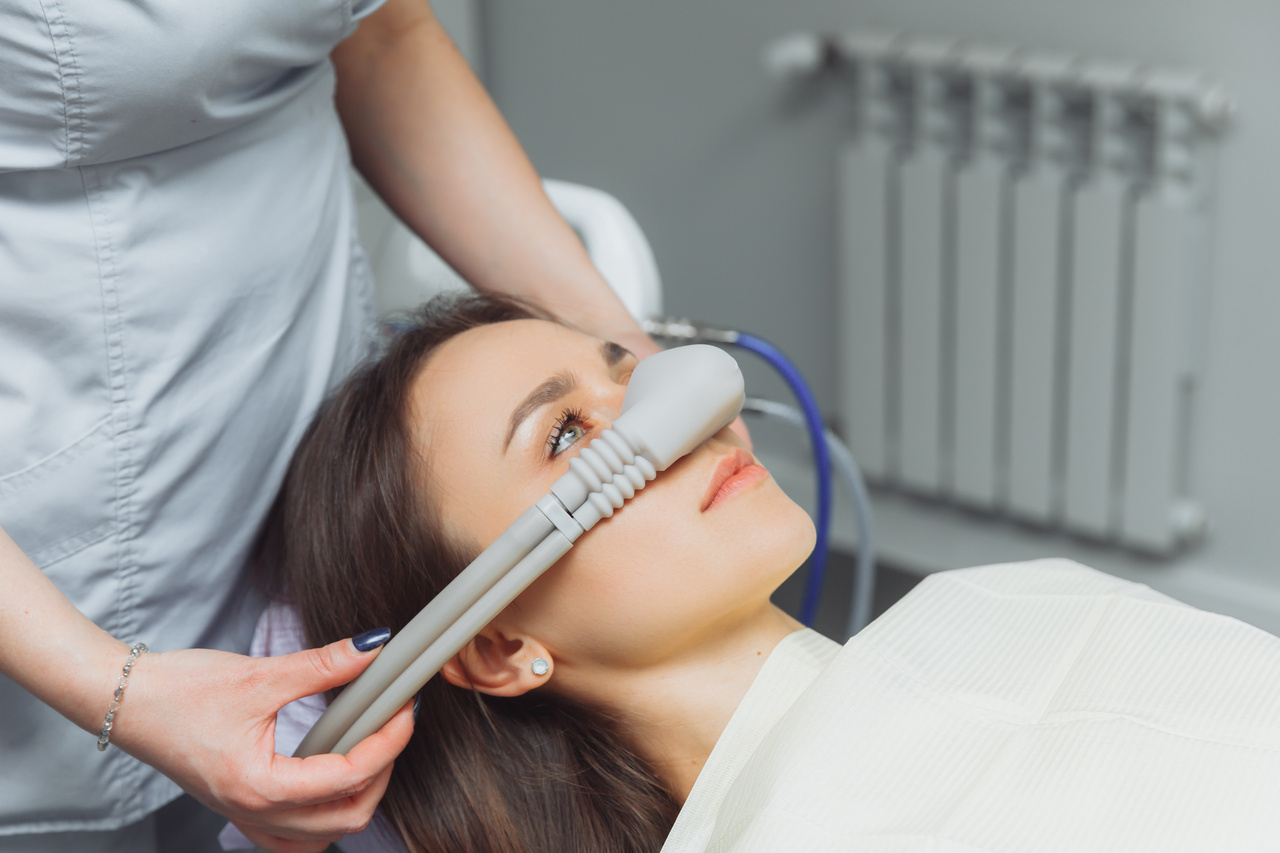
Sedation dentistry uses medication to help you relax during dental treatment. With oral sedation, you take a prescribed pill before your appointment and stay awake but deeply calm, able to respond to your dentist. It is a common choice for patients with dental anxiety, a strong gag reflex or a longer procedure, and you will need a ride home afterward.
Dental Anxiety Is More Common Than You Think
If the sound of a dental drill or the smell of a dental office makes your heart race, you are far from alone. Dental anxiety affects people of every age, and it is one of the most common reasons adults put off care they know they need. For some, it traces back to a painful experience years ago. For others, it is the feeling of losing control while lying in the chair. Whatever the cause, it is real, and it is manageable.
At Lighthouse Dental, comfort is built into every visit, from blankets, cushions and beverages to a team that takes time to explain each step. For patients who need more support, oral sedation offers another layer of calm.
The Levels of Sedation, Explained
Dental sedation is described in levels, based on how relaxed and responsive you are:
- Minimal sedation: you are awake and relaxed, and can respond normally.
- Moderate sedation: you are drowsy and may slur words, but can still respond to questions and instructions. Some patients remember little of the visit afterward.
- Deep sedation: you are on the edge of consciousness but can still be awakened.
- General anesthesia: you are fully unconscious. This is typically reserved for hospital or specialty surgical settings.
Oral sedation generally falls in the minimal to moderate range. That is why it can be provided right in our office, without an IV.
How Oral Sedation Works at Lighthouse Dental
With oral sedation, you take a small, easy-to-swallow pill before your appointment. We will tell you exactly when to take it. By the time treatment begins, you feel calm and drowsy, while your dentist uses local anesthetic to keep the treatment area numb. You stay responsive throughout, so you can still follow simple instructions.
Is Oral Sedation Safe?
Oral sedation has a long track record in dentistry when it is prescribed carefully. Before recommending it, we review your full medical history, current medications and any health conditions. Your dose is chosen for you, and we watch how you are doing throughout your visit. Certain medical conditions, medications or pregnancy may mean a different approach is safer, which is why that review always comes first.
Who Is a Good Candidate for Oral Sedation?
- Adults with mild to significant dental anxiety
- Patients with a strong gag reflex
- People who have trouble sitting still for long appointments
- Patients having longer or more involved procedures
- Anyone who has avoided the dentist because of fear and wants to get back on track
Oral sedation is best suited to adults. We have other comfort options for children.
Your Sedation Appointment, Start to Finish
- Consultation: we review your medical history, medications and concerns, and confirm oral sedation is right for you.
- Before your visit: you follow our instructions about when to take your pill and any guidance on eating beforehand.
- Getting here: a trusted adult drives you to the office, since you cannot drive after taking the medication.
- During treatment: you rest comfortably while the dentist works, staying responsive the whole time.
- Going home: your driver takes you home, and you plan to rest for the remainder of the day.
Treatments Patients Often Pair With Sedation
Oral sedation is especially helpful for longer visits, such as wisdom teeth removal, tooth extractions, dental implants and All-on-4 full-arch restorations. Some patients also choose it when they have several fillings or other treatment to complete in a single visit.
Frequently Asked Questions
Will I be asleep during oral sedation?
No. You will be awake but deeply relaxed. Some patients feel so comfortable that they remember little of the appointment.
Is "sleep dentistry" the same as oral sedation?
"Sleep dentistry" is a popular nickname for sedation in general. Oral sedation does not put you fully to sleep the way general anesthesia does.
How long will I feel drowsy?
Effects can last several hours. Plan to rest for the remainder of the day, and do not drive or make important decisions until the medication has fully worn off.
Does insurance cover sedation?
Coverage varies by plan. We bill your insurance as a courtesy, and CareCredit financing, pay-as-you-go and layaway plans are available.
You Deserve a Comfortable Visit
If anxiety has kept you from the dentist, we are here to help, without judgment. Talk with Dr. Erika Takanami and our Hazel Dell team about whether oral sedation is right for you. Call (360) 576-3570 or schedule your appointment online.