

Mouth Taping for Sleep: What Dentists Want You to Know Before You Try It
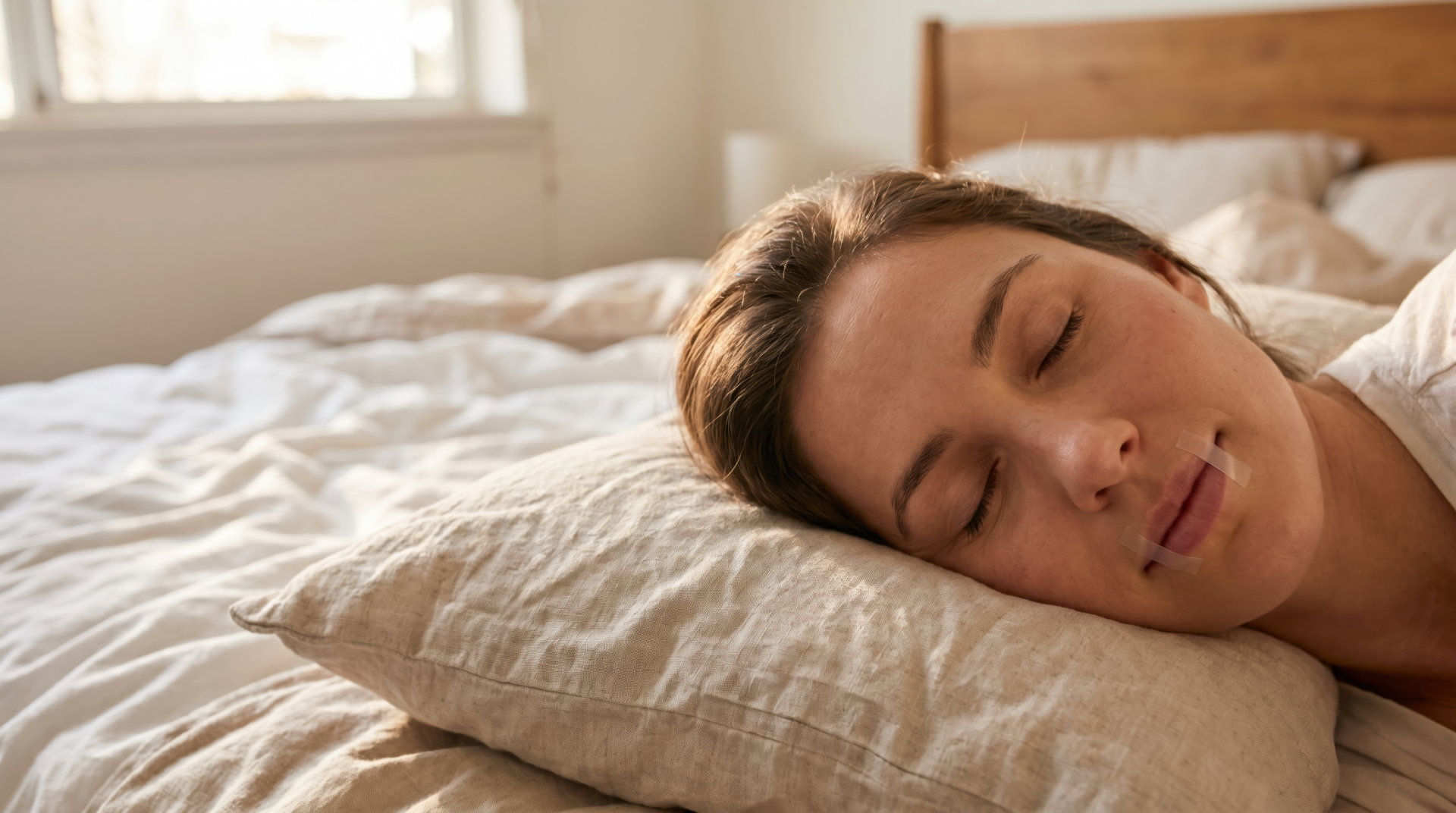
What Is Mouth Taping, and Does It Actually Work?
Mouth taping means placing a small strip of tape over your lips at bedtime to encourage breathing through your nose while you sleep. Social media promises better sleep, less snoring, and relief from dry mouth, but the research is limited, and many sleep specialists urge caution, especially for anyone with sleep apnea or a stuffy nose.
At Lighthouse Dental, patients across Hazel Dell and Vancouver, WA have been asking us about this trend. Here is what the evidence says, who should avoid it, and what we recommend instead if you are dealing with snoring, mouth breathing, or poor sleep.
Why Are So Many People Trying Mouth Taping?
Most people try mouth taping because they are looking for a simple fix for common nighttime annoyances. Typical reasons include:
- Snoring that disrupts their own sleep or their partner’s
- Waking up with a dry mouth or sore throat
- Morning breath that does not seem to go away
- Viral videos and wellness influencers promoting it as an easy “sleep hack”
These are real concerns, and they are worth taking seriously. The question is whether taping your mouth shut is the right way to address them.
What Does the Research Say About Mouth Taping?
The research so far is small and mixed. A few small studies suggest that certain people, such as habitual mouth breathers with very mild sleep apnea or simple snoring, may see modest improvements. However, broader reviews of the available studies have found limited evidence of benefit for most people, and no large, long-term trials have proven that mouth taping is safe or effective. There are also no formal guidelines recommending it.
In short, mouth taping is not a proven treatment, and the potential benefits appear to apply to a narrow group of people. Anyone considering it should talk with a healthcare professional first.
Is Mouth Taping Safe?
Mouth taping is not safe for everyone. The biggest concern is that it can block your backup airway. If your nose is blocked, or if you have undiagnosed sleep apnea, covering your mouth may make breathing harder during sleep. Other possible downsides include skin irritation, discomfort, anxiety, and disrupted sleep.
You should avoid mouth taping, or speak with a doctor first, if you:
- Have been diagnosed with sleep apnea, or suspect you might have it
- Have a stuffy or blocked nose from a cold, allergies, or a deviated septum
- Have asthma or another breathing condition
- Are considering it for a child
- Feel anxious or panicky when your mouth is covered
What Does Mouth Breathing Do to Your Teeth and Gums?
Mouth breathing at night can dry out your mouth, and saliva is one of your teeth’s best defenses. It rinses away food particles, neutralizes acids, and helps protect enamel. When your mouth stays dry for hours, you may be more likely to develop:
- Plaque buildup and cavities
- Red, swollen, or bleeding gums
- Persistent bad breath
- Tooth sensitivity
If dry mouth is what led you to consider mouth taping, regular dental cleanings and exams can help protect your teeth and gums while you find the underlying cause. Our guide to preventing gum disease has more on keeping your gums healthy, and a professional fluoride treatment can add extra protection for patients who struggle with dry mouth.
Could Your Snoring or Mouth Breathing Be a Sign of Sleep Apnea?
Possibly. Snoring and mouth breathing are sometimes harmless, but they can also be signs of obstructive sleep apnea, a condition in which the airway repeatedly narrows or closes during sleep. Taping over the symptom does not address the cause. Talk with a doctor or dentist if you notice:
- Loud, frequent snoring
- Gasping, choking, or pauses in breathing during sleep, often noticed by a partner
- Daytime tiredness even after a full night in bed
- Morning headaches
- Waking up with a very dry mouth or sore throat
- Difficulty concentrating or mood changes
- Teeth grinding or jaw soreness
Sleep apnea is a medical condition that affects overall health, so a proper evaluation matters. Learn more about our sleep apnea treatment, and if you wake up with jaw pain or headaches, read about TMJ therapy and occlusal guards for grinding and clenching.
What Are Safer Alternatives to Mouth Taping?
Instead of covering the symptom, it is usually better to find out why you are breathing through your mouth at night. Safer steps to consider include:
- Get evaluated. If you snore loudly or feel tired during the day, ask your doctor or dentist about screening for sleep apnea. Testing can often be done at home.
- Address nasal congestion. Allergies, colds, and structural problems can block your nose. A doctor can help you find the right treatment, and a bedroom humidifier or saline rinse may ease mild congestion.
- Ask about treatment options if sleep apnea is diagnosed. Depending on your needs, your care team may discuss options such as CPAP therapy or a custom oral appliance made by a dentist.
- Protect your teeth. If you clench or grind at night, a custom night guard can help prevent wear and soreness.
- Review your daily habits. Avoiding tobacco, staying hydrated, and talking with your doctor about weight and sleep position may all help improve breathing at night.
How Can a Dentist Help With Snoring and Sleep Problems?
Dentists often notice the signs of sleep-disordered breathing before anyone else does. During your exam, we may see worn teeth from grinding, signs of dry mouth, gum irritation, or jaw tension that suggest your sleep needs a closer look. From there, we can:
- Talk through your symptoms and health history
- Recommend that you see a physician for a sleep evaluation when appropriate
- Discuss dental treatment options for snoring and sleep apnea, and coordinate with your doctor
- Protect your teeth and gums from the effects of dry mouth and grinding
Why Talk to Your Dentist About Sleep Concerns?
Describing your symptoms clearly is the first step toward the right solution. Our team speaks English, Japanese, Spanish, and Russian, so you can discuss your sleep, your medications, and your health history in the language you are most comfortable with. We welcome patients from every background, including Japanese-speaking and Asian families throughout Hazel Dell and the greater Vancouver area.
Our office is designed to feel relaxed, with blankets, cushions, and drinks on hand, and Dr. Erika Takanami, DDS and our team are focused on gentle, patient-centered care for patients of all ages.
Frequently Asked Questions About Mouth Taping
Does mouth taping stop snoring?
It may reduce snoring for some people whose snoring is tied to mouth breathing, but it does not work for everyone, and it does not fix airway collapse caused by sleep apnea. If you snore loudly or regularly, an evaluation is a better first step than trying a trend.
Can mouth taping make sleep apnea worse?
It can. If you have sleep apnea or a blocked nose, covering your mouth can limit your airflow. If you have been diagnosed with sleep apnea, or suspect you might have it, please talk with a doctor before trying mouth tape.
Is mouth taping bad for your teeth?
Mouth tape itself is not known to harm teeth. The bigger issue for your oral health is chronic mouth breathing, which dries out your mouth and raises your risk of cavities and gum irritation. Addressing the reason you breathe through your mouth is the best way to protect your smile.
Is breathing through your nose really better than breathing through your mouth?
Nose breathing helps warm, filter, and moisten the air you breathe, which is why it is generally preferred during sleep. If you find it hard to breathe through your nose, that is a good reason to see a healthcare provider rather than forcing it with tape.
How do I know if I have sleep apnea?
Symptoms like loud snoring, gasping at night, and daytime fatigue are common clues, but the only way to know for sure is a sleep evaluation, which can often be done at home. Your dentist can help you spot the warning signs and point you in the right direction.
Can a dentist treat sleep apnea?
Dentists can play an important role in sleep apnea care, including offering custom oral appliances for some patients, in coordination with a physician. Contact our office to learn about the options we offer and whether they might be a good fit for you.
Do you offer dental care in Japanese, Spanish, or Russian?
Yes. Our team speaks English, Japanese, Spanish, and Russian, so you can discuss your symptoms and treatment options in the language that feels most comfortable to you.
Schedule Your Dental and Sleep Consultation in Vancouver, WA
If snoring, dry mouth, or restless nights are keeping you from feeling your best, we are here to help you find answers that are safer and more effective than a trend. Our friendly team serves patients in Hazel Dell, Minnehaha, Salmon Creek, Walnut Grove, Felida, and throughout Vancouver, WA. Schedule your appointment online, call us at 360-576-3570, or visit our contact page to get started.
Lighthouse Dental
3205 NE 78th St, Suite #11
Vancouver, WA 98665
Phone: 360-576-3570
Email: lighthouse.dental@yahoo.com
Office Hours
Monday: 9:00 AM - 6:00 PM
Tuesday: 8:00 AM - 5:00 PM
Wednesday: 9:00 AM - 6:00 PM
Thursday: 8:00 AM - 5:00 PM
Friday: 8:00 AM - 5:00 PM
Saturday and Sunday: Closed